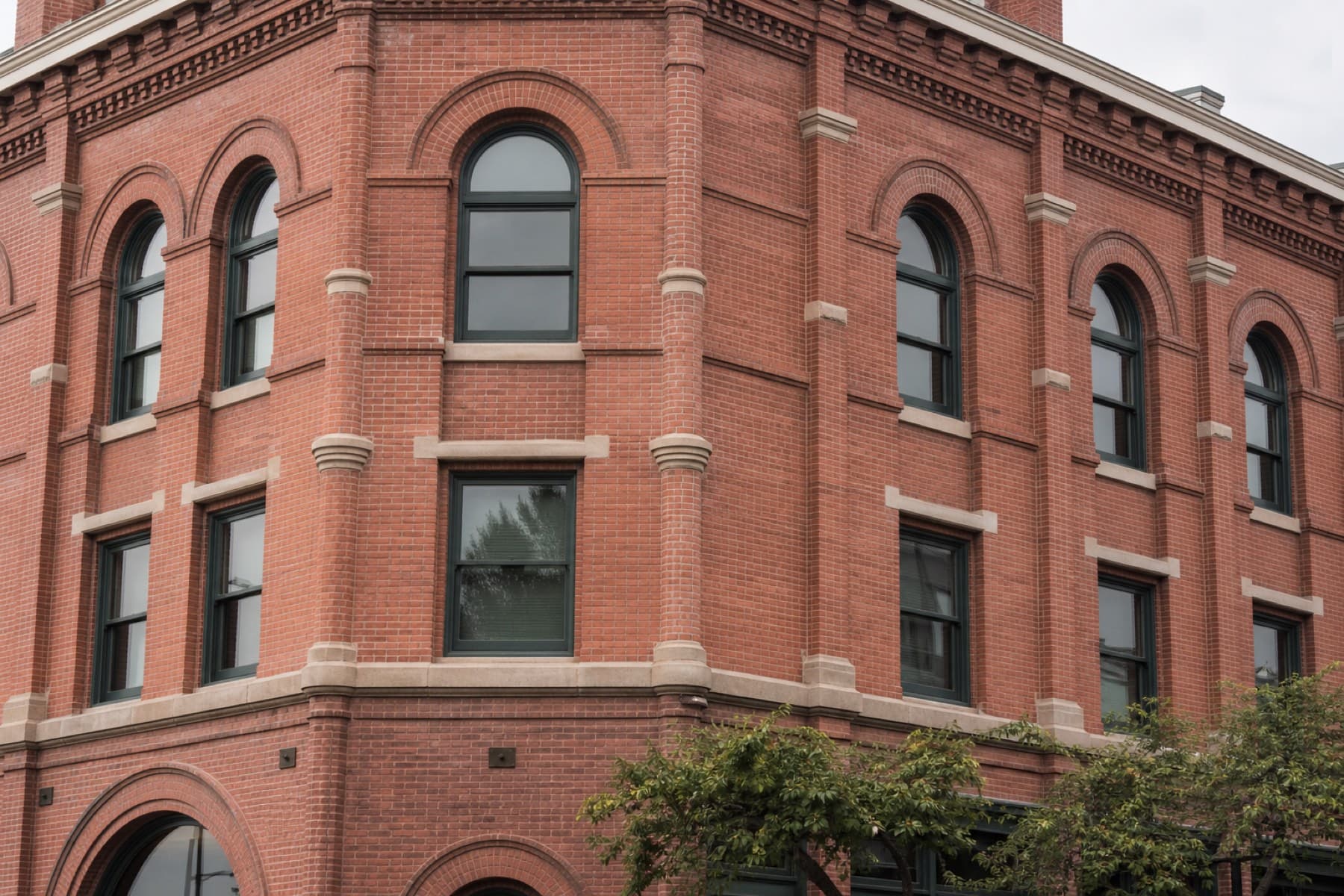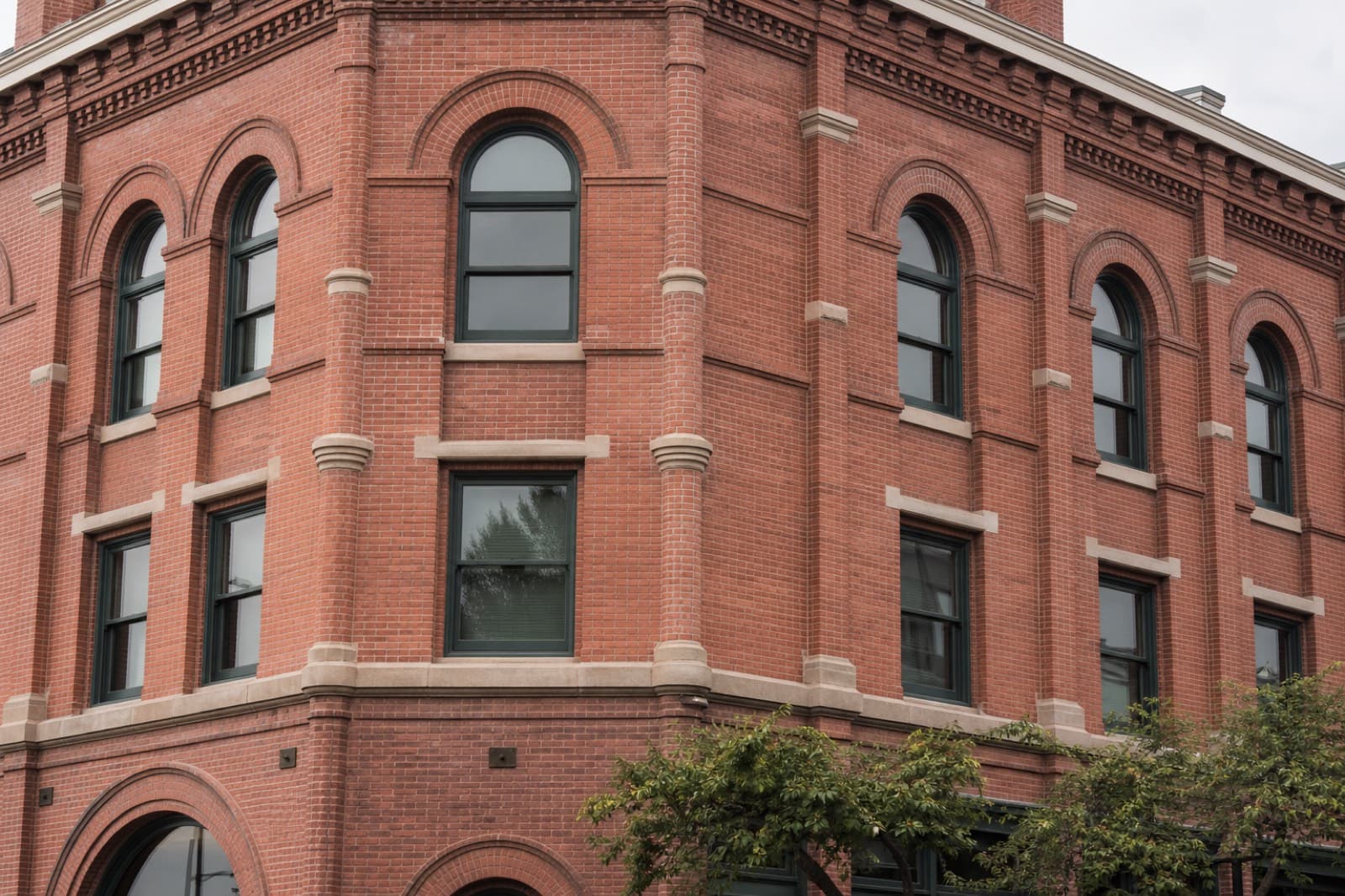
New Westminster is the oldest city in the province, and it shows in the brick. Walk through Queen's Park and you'll see character homes from the early 1900s, many with their original brick chimneys, foundations, and facades still standing. That brick is beautiful and it's worth preserving. But it's also fragile in a way that newer masonry isn't, and the well-meaning repairs that work fine on a modern wall can do permanent damage to a heritage one. Here's what owners of older New West homes need to know.
Old brick is soft brick
Brick made a hundred-plus years ago was fired in less controlled conditions than today's brick. It's generally softer and more porous, which means it relies on the mortar around it to manage water and movement. The whole wall was designed as a soft, breathable system.
Modern brick is hard and dense, and modern Portland-based mortar is hard to match. Used together, they work. The problem comes when modern materials and methods get applied to a soft old wall. The mismatch is where heritage brick gets quietly wrecked.
The lime mortar rule
Original heritage walls were built with lime mortar, which is softer than the brick and slightly flexible. That softness is a feature. It lets the joints, not the brick, absorb the small movements and the freeze-thaw stress. The mortar weathers over decades and gets repointed; the brick survives for a century.
Repoint that same wall with hard Portland mortar and you reverse the relationship. Now the joints are harder than the brick, so the brick becomes the weak point. Stress and moisture that used to be handled by the mortar now go into the brick faces, and they spall. We've seen Queen's Park homes where a 'modern' repointing job destroyed more original brick in five years than the previous eighty did. Matching lime mortar isn't nostalgia; it's the only way the wall survives.
Gentle cleaning, not pressure washing
It's tempting to blast decades of grime off old brick with a pressure washer. Don't. High-pressure water erodes soft brick and mortar, opens the surface to more water, and can strip the fired outer skin that protects the brick.
Sandblasting is even worse and, on a heritage building, often not allowed. The right approach is the gentlest method that works: low pressure, appropriate cleaners, patience. The patina on old brick is part of its character anyway. The goal is a sound wall, not a brand-new-looking one.
Matching what's already there
Good restoration is invisible. When a section of brick is missing or beyond saving, the replacement should match the original in colour, size, and texture so the repair disappears into the wall. That often means sourcing reclaimed brick of the right era rather than grabbing whatever's at the supply yard.
The same goes for mortar colour and the joint profile. A restored joint should look like the joints around it, tooled the same way. When all of that lines up, you can stand in front of a repaired wall and not be able to tell where the old ends and the new begins. That's the standard heritage work should meet.
Why it's worth doing right
Heritage homes in New Westminster carry real value, both financial and in the character that makes the neighbourhood what it is. The brick is a big part of that. Repaired properly, with matched materials and the right techniques, it lasts another century. Repaired carelessly, it deteriorates faster than if it had been left alone.
If you own an older New West home with brick that's starting to show its age, the worst thing you can do is hand it to someone who treats it like a modern wall. It's worth finding a mason who understands soft brick and lime mortar, and doing it once, properly.