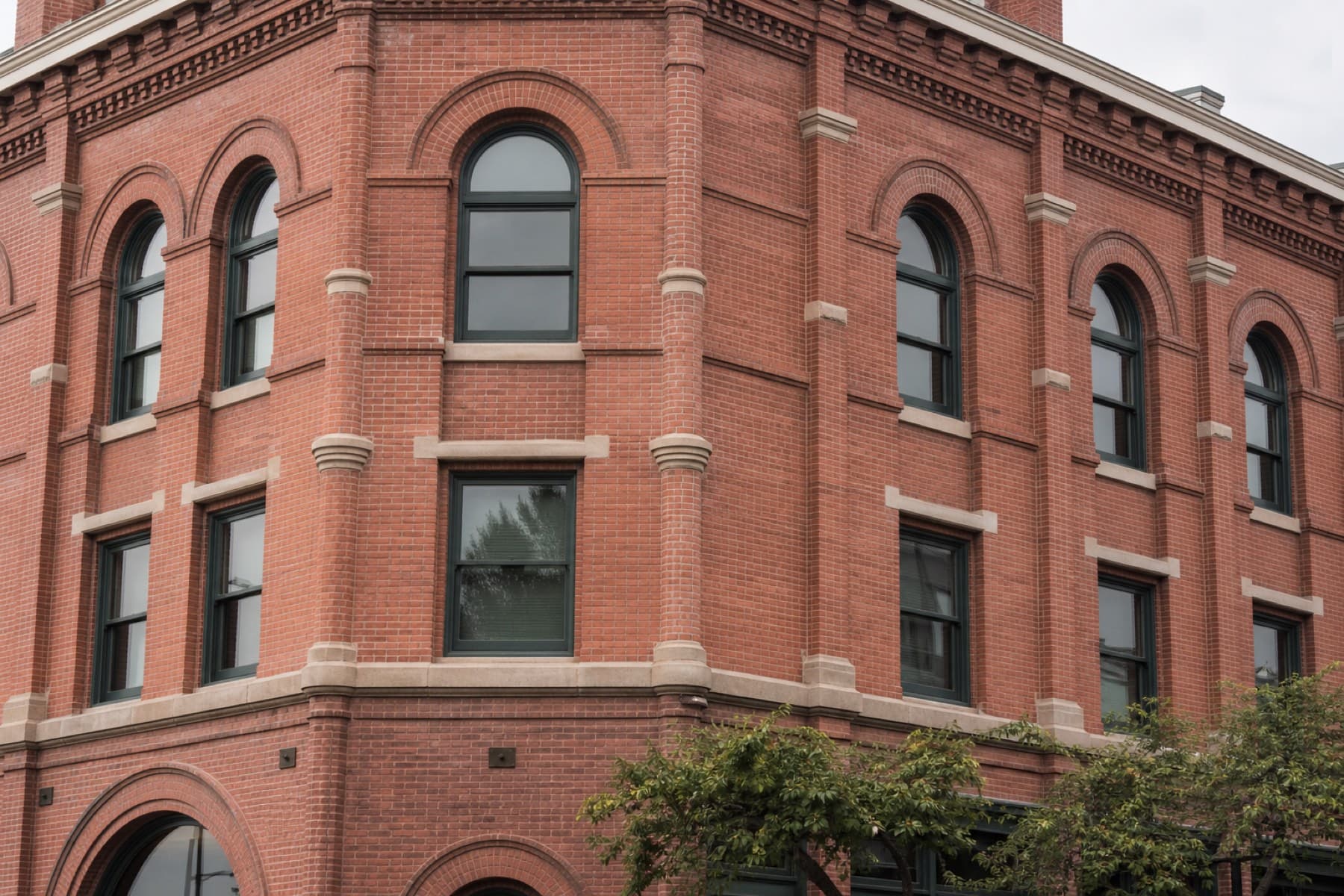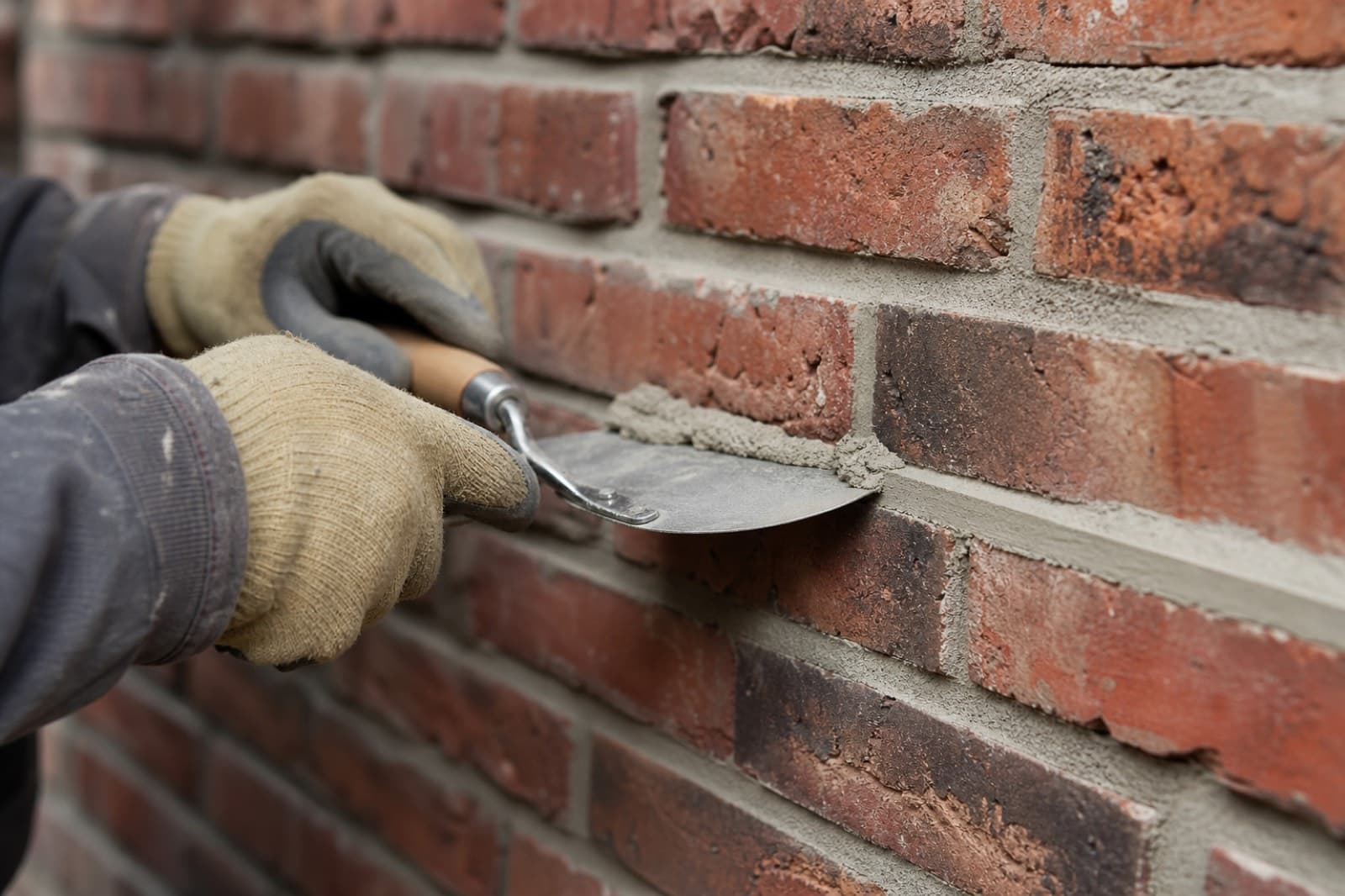
Here's the thing most people get wrong about brick walls: the brick almost never fails first. The mortar does. The mortar joints between the bricks are the sacrificial layer, designed to weather and be replaced over the decades while the brick lasts a century or more. Repointing is the process of raking out that failed mortar and packing in fresh. Done at the right time, it's straightforward and saves the wall. Left too long, water gets behind the brick and the repair gets a lot bigger. So how do you know when it's time?
The key test
The fastest check you can do takes ten seconds. Take a key or a screwdriver and gently scratch at a mortar joint. Healthy mortar is hard, you'll barely mark it. Failing mortar crumbles, flakes, or comes away as powder and small chunks.
If you find sandy mortar dust collecting at the base of the wall, that's the same story. The joints are breaking down and shedding material. On older Vancouver and Burnaby homes with original lime mortar, this is normal eventually. It just means the wall is due.
What to look for on the wall
Beyond the scratch test, walk the wall and look for these:
- Recessed joints where the mortar has worn back well behind the brick face
- Visible cracks or gaps in the mortar lines
- Mortar you can pull out with your fingers
- White chalky deposits (efflorescence) signalling water movement
- Damp or musty spots on the matching interior wall
Why timing matters so much
A brick wall is a system for managing water. Rain hits it, soaks in a little, and dries back out. As long as the joints are sound, that cycle is harmless. Once the joints fail, water stops draining properly and starts collecting behind the brick.
That trapped water does two things. In winter it freezes and spalls the brick from behind, which is far harder to fix than repointing. And it finds its way inside, showing up as damp drywall, peeling paint, or that musty smell in a room with an exterior brick wall. Repointing on time prevents both.
The mistake that ruins old brick
Burnaby and the surrounding area have a lot of pre-1940 homes, and those walls were built with soft lime-based mortar. The mortar was meant to be softer than the brick on purpose, so the joints flex and weather instead of the brick.
When someone repoints an old wall with hard modern Portland mortar, the physics flip. Now the mortar is harder than the brick, so the brick becomes the part that flexes and fails. You see it within a few winters: the brick faces start popping off right next to those nice new grey joints. Matching the mortar to the age of the wall isn't a detail. On an old home it's the whole job.
What good repointing looks like
Proper repointing means raking the old mortar out to a consistent depth (roughly two to three times the joint width), cleaning the joint, then packing in mortar that matches the original in colour, sand, and strength. The final joint is tooled to match the existing profile so the repair blends in.
Bad repointing is easy to spot and unfortunately common: mortar smeared over the brick faces, the wrong colour, joints that don't match the rest of the wall. A good repointing job should be nearly invisible from the curb. That's the standard to hold any mason to.