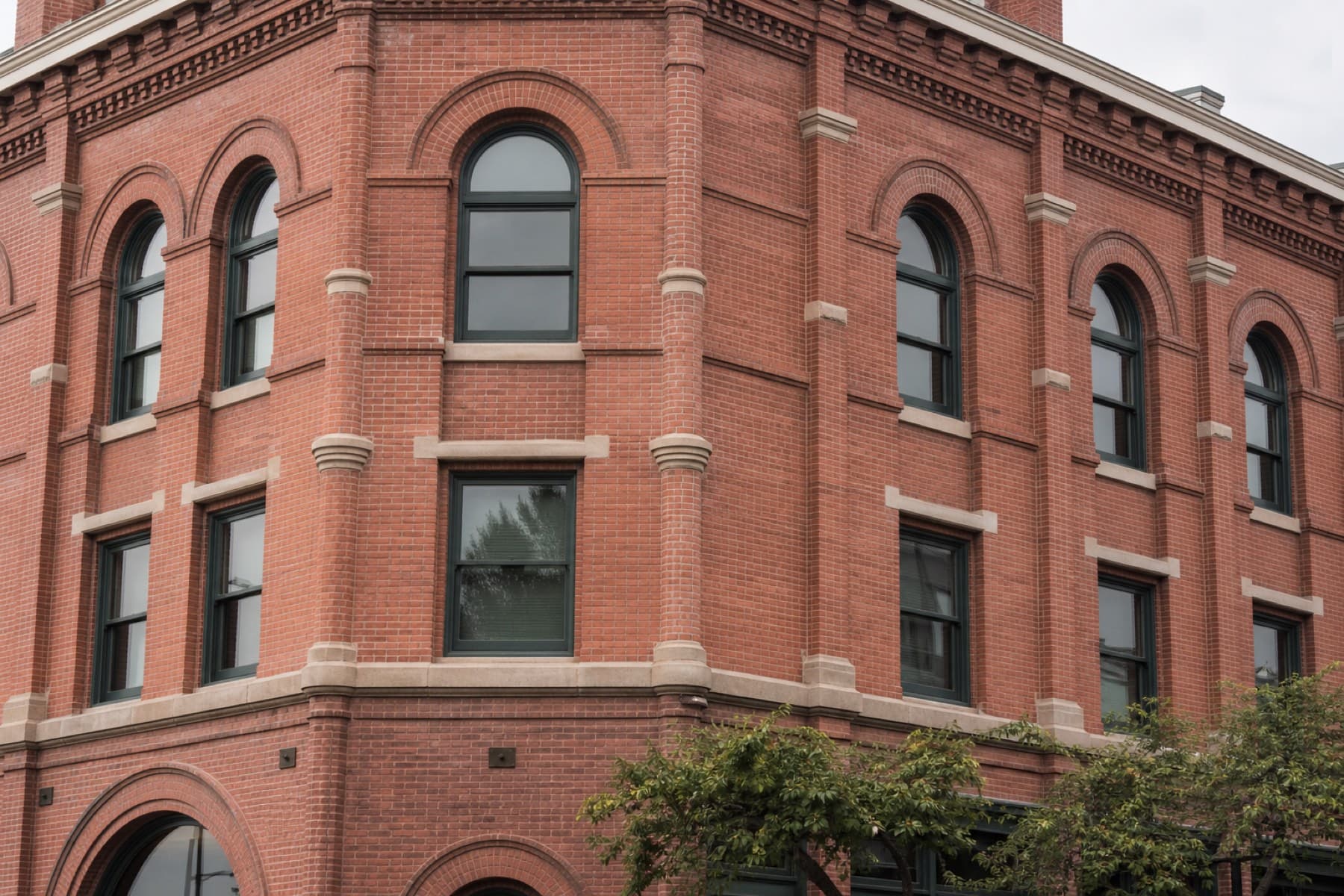
Every hardware store sells brick sealers, and every year homeowners apply them to walls that didn't need it, or to walls where the real problem is failed mortar that no sealer will fix. At the same time, there are situations where a penetrating sealer genuinely helps. Understanding the difference matters, because applying the wrong product to the wrong wall can make things worse. Here's what actually works when it comes to protecting exterior brick in our wet climate.
How brick manages water — before you add anything
Brick is designed to be slightly porous. It absorbs a small amount of rain, and then dries back out. That cycle is normal and harmless as long as the mortar joints are sound and the wall can breathe. A brick wall is not supposed to be fully waterproof — it's supposed to be water-managed.
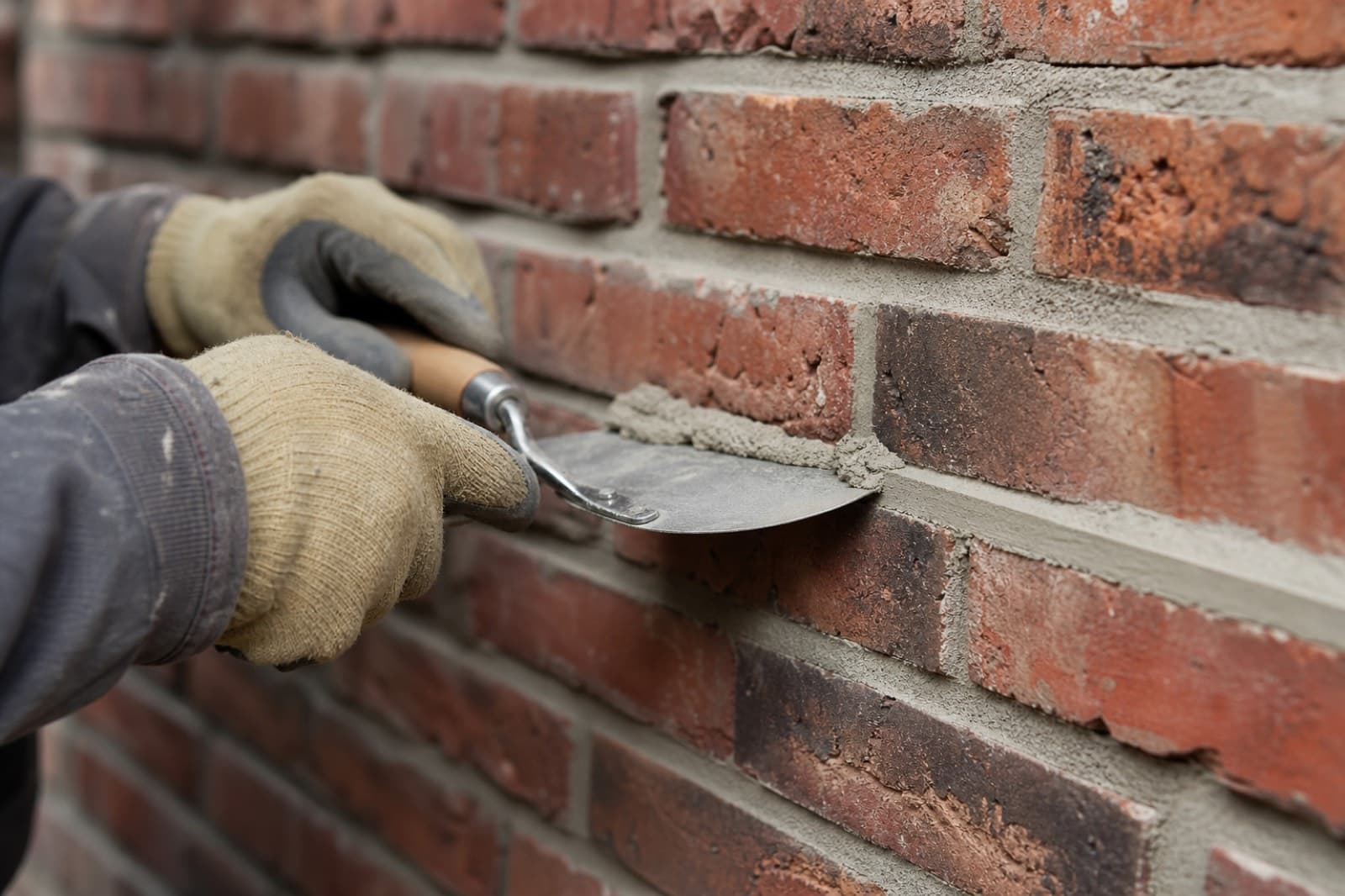
This is why the most important thing you can do for any brick wall is keep the mortar joints in good shape. Sound mortar is what stops water from penetrating past the first few millimetres of brick. Failed mortar lets water straight through to the cavity behind. No sealer fixes that.
What penetrating sealers actually do
Penetrating or impregnating sealers — the silane, siloxane, and silane-siloxane products sold for masonry — work by soaking into the pores of the brick and forming a hydrophobic lining. Water beads up and runs off instead of soaking in. The wall can still vapour-breathe, which is critical; trapping moisture inside is what causes damage.
These products can genuinely reduce water absorption on a sound, repointed wall. They're useful in a few specific situations: very exposed walls that get driven rain, older brick that's become more porous with age but is otherwise structurally sound, and after a fresh repointing job on a wall in a high-exposure location.
When NOT to seal
Sealing over a wall with failing mortar is probably the most common and damaging mistake. The sealer slows surface evaporation, which means whatever water does get through the joints — and it will — has a harder time getting back out. You're trapping moisture inside a wall that's already failing.
Film-forming sealers and paints are worse. They create a surface layer that the wall can't breathe through. In a wet climate, that trapped vapour causes efflorescence, spalling, and in severe cases, masonry failure from inside. Avoid any product that sits on the surface rather than penetrating into it.
- Never seal over failing mortar — fix the mortar first
- Never use film-forming sealers or masonry paint on an unpainted brick wall
- Never seal a wall with active moisture problems — find the source first
- Never seal a newly laid wall — let it cure fully (at least a year) before sealing
- Never seal heritage soft brick — it changes the breathability the wall was designed for
What actually protects a brick wall long-term
In order of impact, here's what keeps a brick wall healthy over decades:
- Sound mortar joints, repointed before they fail — this is 80% of the job
- A working chimney cap and crown that keeps water out of the structure
- Gutters and downspouts that direct water away from the wall base
- Proper flashing at any wall-to-roof transitions
- Grade around the foundation that slopes away, not toward the brick
- Penetrating sealer — useful on sound, exposed walls, but fifth on this list for a reason
If you do seal: what to buy and how to apply it
If your wall is sound and you want to seal it, use a silane-siloxane penetrating sealer rated for the type of brick you have. Apply it to a clean, dry wall (dry for at least three days) with a brush or roller. Work from the bottom up so drips don't run over already-sealed sections. Apply two coats if the brick absorbs the first coat quickly.
Don't expect a sealer to last forever. Most penetrating sealers need reapplication every five to ten years depending on the product and exposure. It's maintenance, not a one-time fix.